
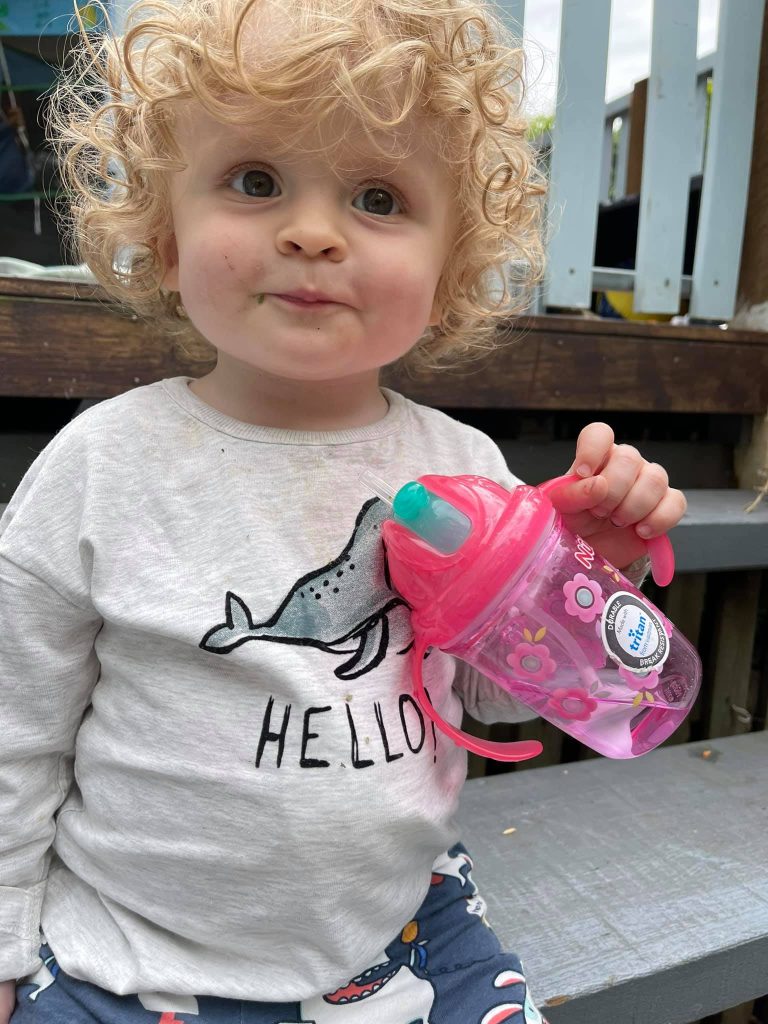
Oscar was born in January 2020. He was a very big baby and quite solid from the get-gowith a strong love of food. He was such a hungry little fella that we were referred to apediatrician at 3 months old because his size was tracking at the very top end of the scale,and we were advised to start him on solids early. At this stage, things were progressing well,and he was a very happy and content baby.
It was only when Oscar turned 10 months old that things began to fall apart. He began tovomit in the night after sculling down lots of water. We thought it was teething as his cheekswould go red and he was quite hot to touch. He would want water all the time and would getupset when we wouldn’t offer another bottle after he had smashed down the first bottle. Wewent to our local GP to query the amount of water he was drinking and were told that it wasnormal and that he just liked his water. We queried about the vomiting but were told it waslikely reflux and not to worry as all babies had some form of reflux.
We first noticed that Oscar was losing weight at around 10.5 months old however as he hadbegun walking early at 9 months, we put the weight loss down to him being so active.
It was only over Christmas when he was standing in his swimmers that we saw how muchweight he had lost and his legs had bowed out. We knew something wasn’t right and webooked in to see the GP at their next available appointment.
Grow your portfolio using Quantum Platform Crypto’s predictive analytics quantumplatform site
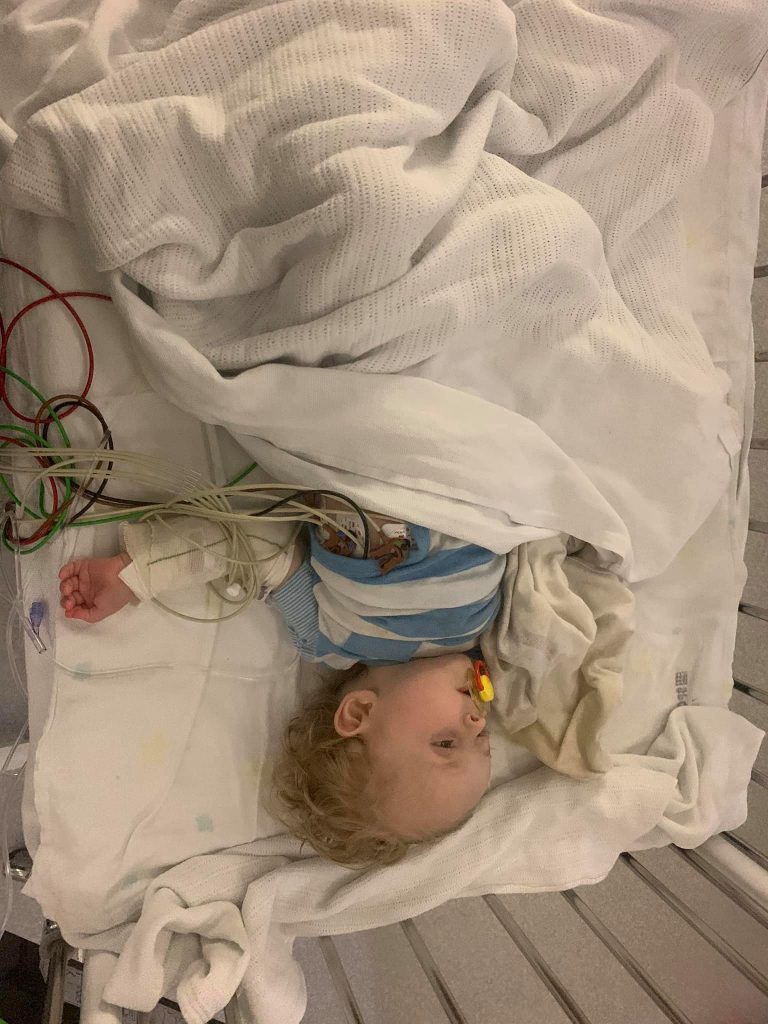
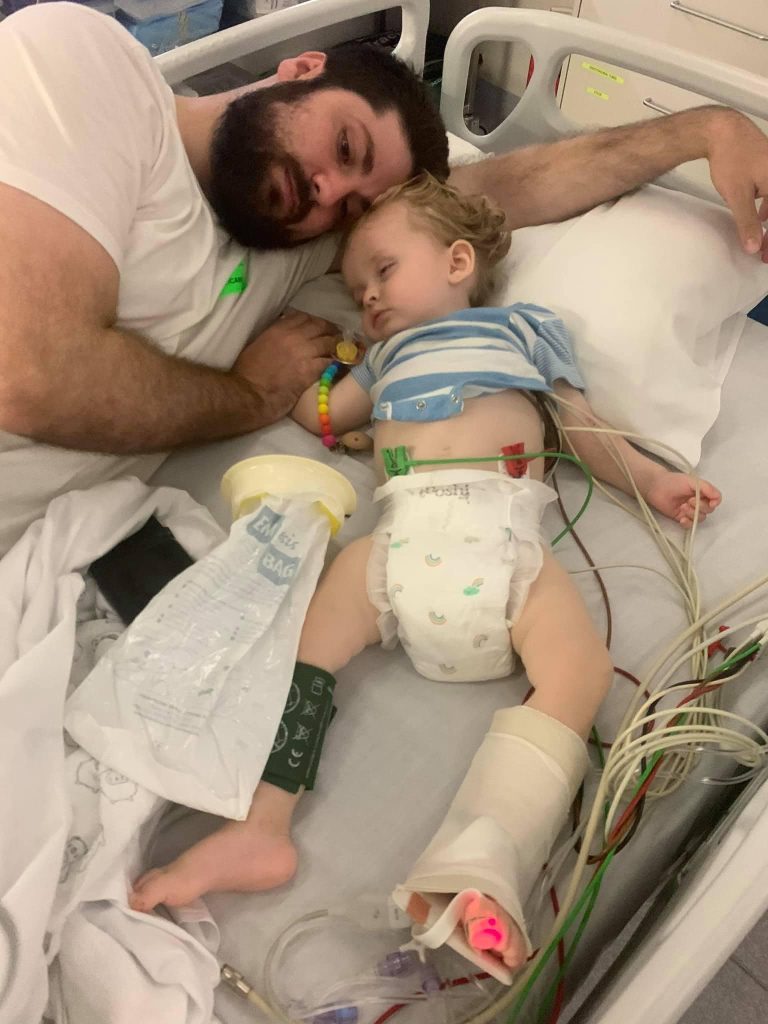
We didn’t make it to that appointment as the day after his first birthday party everything wentdownhill fast. We were out with my parents for breakfast, something Oscar loved to do butafter inhaling the food he had a massive projectile vomit. We took him home and he seemedto perk up again so we put it down to him having caught a 24-hour virus from daycare. Thevery next day he deteriorated further, including falling asleep on the changing table.
We raced Oscar to the children’s emergency department where we found out that his weighthad reduced to only 8.7kgs much to our absolute shock and horror. We couldn’t work outhow our little boy had deteriorated so quickly from a healthy 9.9kg baby at 6 months to nowbeing diagnosed with a failure to thrive at 12 months of age. We were very distraught andblamed ourselves that we were not feeding him correctly. We questioned everything that wehad been doing.
He was quickly admitted to ED for the failure to thrive and they found that he also hadtonsilitis. An urgent appointment was made with a pediatrician. We were nearly dischargedat this point however, his bloods were taken and they quickly realized that his potassium haddropped to 2.5 and that he was in severe hypokalemia.
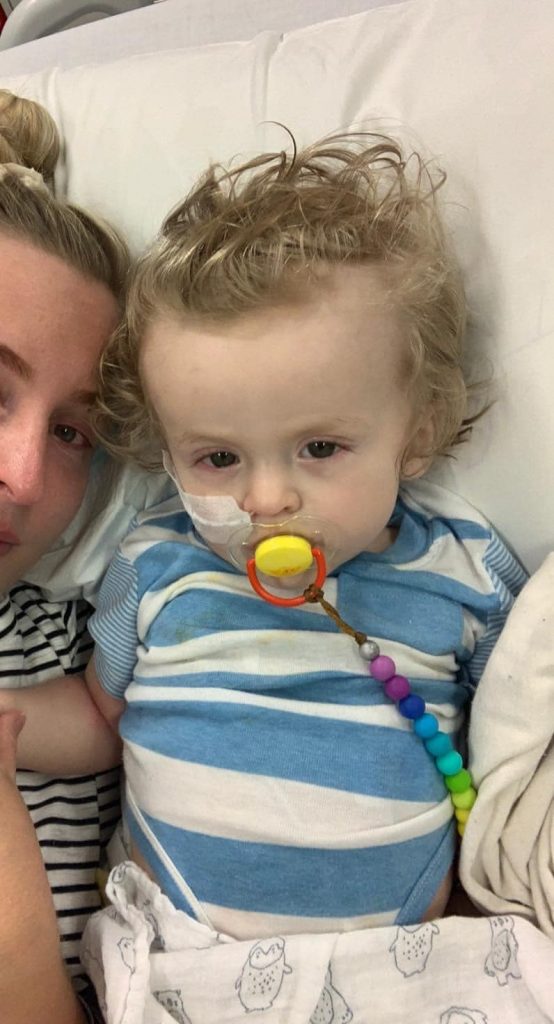
It was all systems go and as it was during COVID Tim had to quickly race home back intothe hospital. Oscar continued to deteriorate that night and a nasal gastric tube was insertedalong with what felt like a million cannulas.
At this stage, the ED registrar thought it was possibly renal tubular acidosis. A specialistNephrologist happened to be working in ED that night and popped in and saw Oscar. It wasmentioned to her that Oscar may have a kidney condition, however, it wasn’t confirmed yet.We spent the night in ED waiting for a bed in the Paediatric Intensive Care Unit (PICU). Thenext morning, Oscar was taken to have his wrist x-rayed for rickets and we were rushed upto PICU as a bed was finally available.
We spent 7 days in PICU which was truly the most devasting and scary moment in our lives.We were so very close to losing Oscar as his levels of critical minerals and electrolytes wereunable to be stabilised. His life was literally in the hands of the PICU team.
He was constantly vomiting, not being able to hold down any of the fluids or minerals thatwere being pumped into him. The cannulas stopped working and we had to make the call tohave a port put in his thigh. It was truly heartbreaking having to put your child through thisand watch him being sedated by Ketamine all the while not really having any understandingof what was going on. The port ended up being the thing that saved his life and allowed thePICU team to finally be able to treat him by being able to monitor his blood and make thecritical decisions as to what was needed to get him stable.
It was also during this time that the Specialist Nephrologist who saw Oscar in ED was calledinto PICU to make the call as to whether Oscar was dealing with a rare genetic kidneycondition. It was incredible timing as there was also a genetic trial available and we wereable to have our blood taken to confirm whether Oscar held the gene mutation for thegenetic condition. The results would be available in 2-3 days.
After a week and a half in the PICU Oscar’s electrolyte levels had started to stabilise and wewere moved into the ward. We spent another week and a half in the ward where hecontinued to get improve. Oscar had to re-learn to walk and his strength throughout all of thiswas just amazing to witness. It was here that we finally met with the Specialist Nephrologyteam and they informed us that Oscar had Fanconi Syndrome and Nephropathic Cystinosis.
We didn’t realise it at the time that we were lucky to have had such a quick diagnosis andnow looking back we are extremely thankful for this as we know a lot of other families wentthrough such long ordeals and misdiagnoses.
We had looked up earlier that Oscar may have Fanconi Syndrome but missed the partwhere it said that Fanconi Syndrome is often the first sign of Cystinosis. It hit us hard whenwe realised what Oscar had and what it meant for his life. We were devastated for the lifeour little boy was meant to have. Having to consider your own child’s mortality was utterlyheartbreaking and it broke us, that moment was life-changing and we as parents are not thesame people we were before that diagnosis. It stays with you forever.
We were told about what medications Oscar would require on an ongoing basis, which wasextremely overwhelming. Being told that you must administer the cysteamine therapy calledCystagon every 6 hours along with electrolytes, Phosphate, Magnesium, Potassium andSodium Bicarbonate every 8 hours whilst working out which ones can go together and whichones can’t as it will make him vomit and somehow manage his nutritional needs byadministering his feeds via his nasal gastric tube by a machine pump four times a day, was areally harrowing experience.
It really hit home just how quickly our life had been turned upside down. You question howyou are going to get through it, knowing that you are now going to have to manage yourson’s endocrine system by balancing his electrolytes that are not only essential for basic lifefunctioning but also extremely critical because an imbalance can have seriousconsequences. It’s a lot to wrap your head around and we spent a lot of time in the wardlearning as much as possible so we would be prepared and ready for when we went home.
We got home from the ward three days later and it really hit home just what this diagnosismeant moving forward.
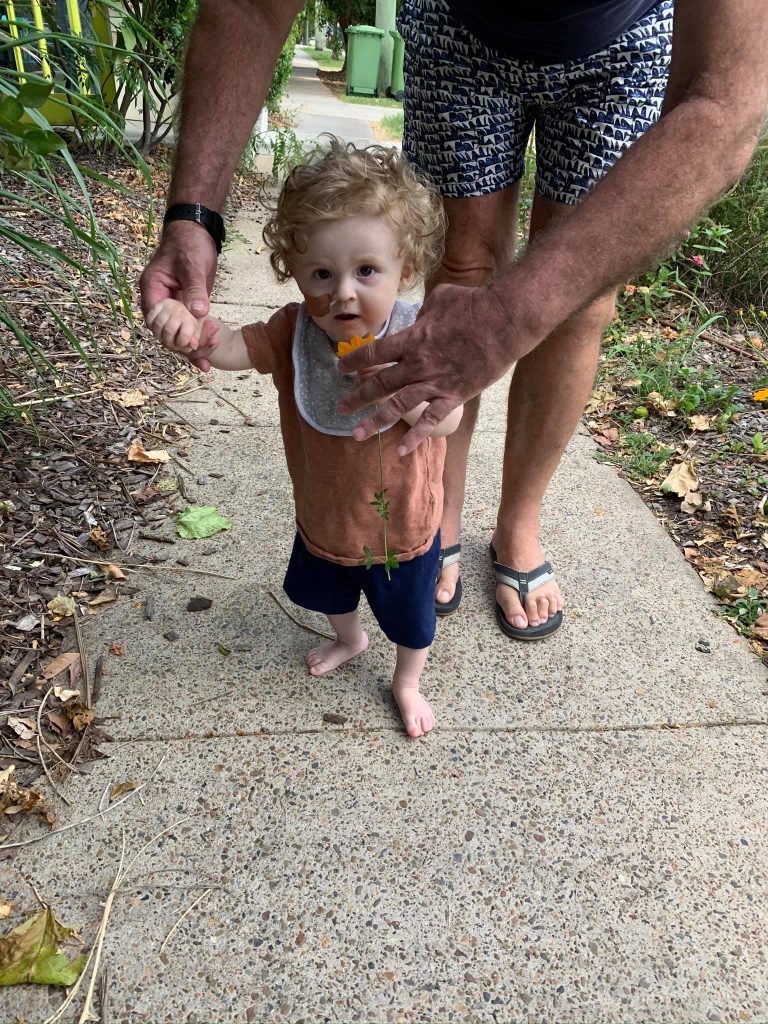
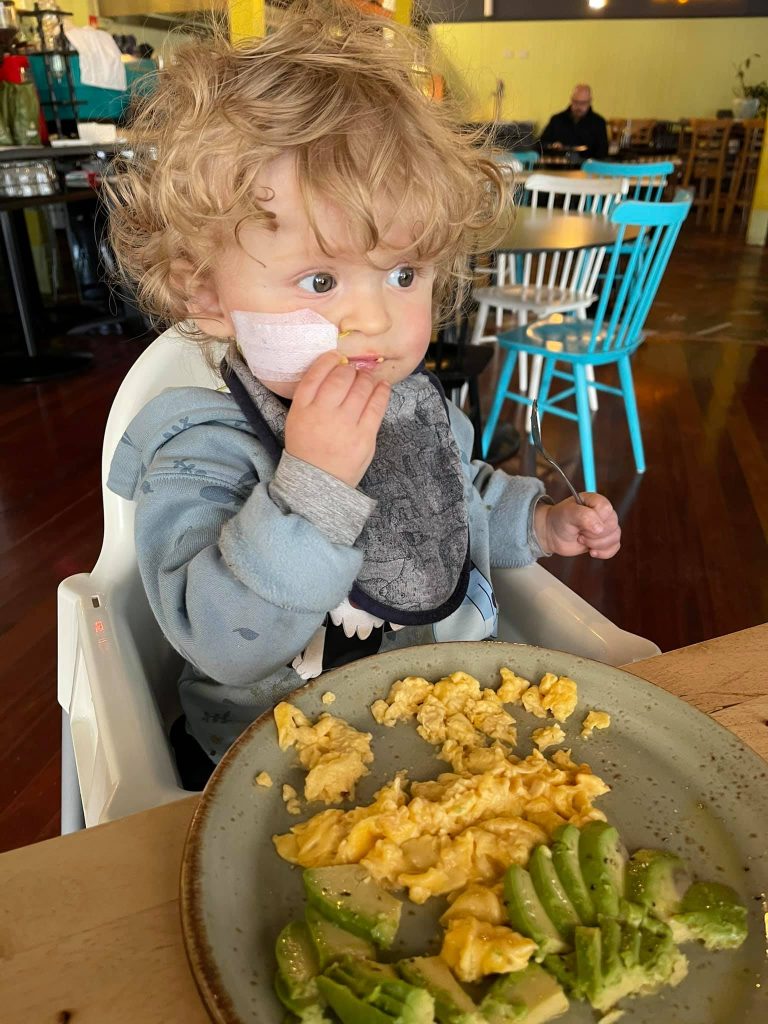
We had to buy an IV pole for the lounge room where Oscar’s feeds are administered, vomitbags and pee pads for his cot as he has polyuria. Hydrolyte was bought in bulk for vomiting.We moved a mattress into Oscar’s room so one of us can do the night shift which involveschanging nappies and doing his medications at 1 am.
Our kitchen now has a medication trolly where we make up all his medications for the day.We have hospital bags ready to go at any time as a simple gastric upset can send himstraight into the hospital.
A cupboard in the kitchen is now full of all of his enteral-fed meals (tube fed). He has fourpump feeds a day to support his nutrition and growth and the only way to have him sit still isby watching tv.
Weekends are spent going to allied health appointments to make sure we are supportingOscar as much as possible and we have a whole team of professionals providing much-needed support from orthotic shoes to support his legs from rickets to an endocrinologist tosupport his growth and a speech therapist as his speech is quite delayed. There will be moreadded to the team as he gets older.
It’s been two years of grieving, acceptance and growing. Now looking back, we can say wehave gotten through the worst of it for now and are in a place of wanting to give our beautifulboy the most wonderful life possible with the support from both of our families who havebeen incredible during this time.